
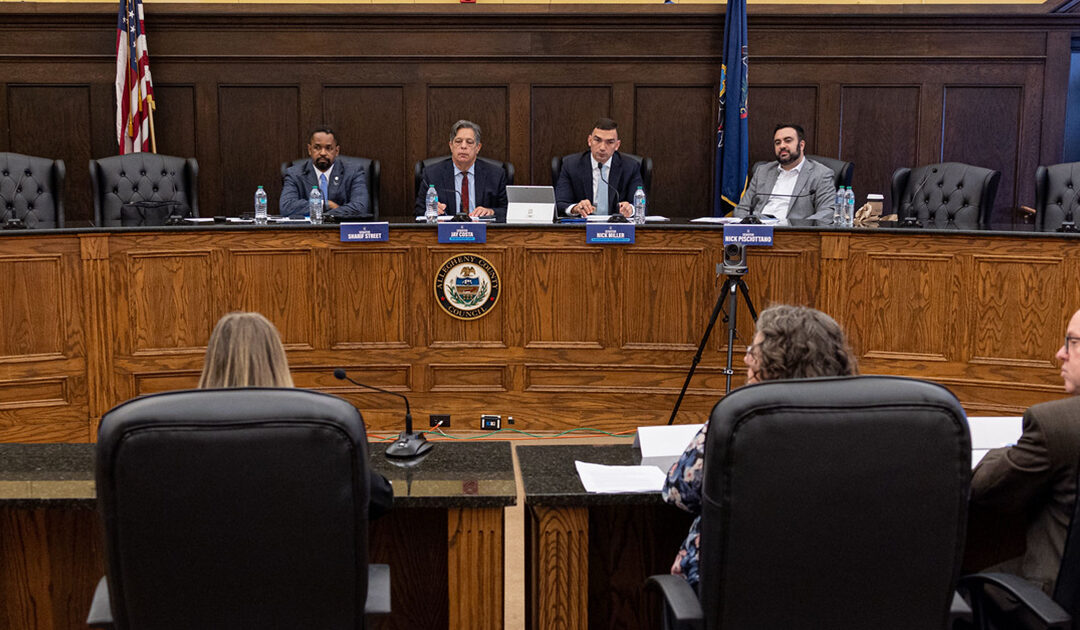
PITTSBURGH, PA − July 31, 2026 − Senate Democratic Policy Committee Chair Nick Miller (D-14) held a policy hearing on lowering consumer grocery costs, alongside co-host Senate Democratic Leader Senator Costa (D-43). This hearing examined the status of grocery affordability for Pennsylvanians and food production-related pressures including rising input costs (such as fuel, fertilizer), cost of climate impacts, and safeguarding from pathogens or other hazards.
“Every week I hear from families across my district that every trip to the grocery store is putting more strain on their pockets, while our farmers are facing growing challenges from unpredictable weather, rising production costs, and other pressures beyond their control,” said Senator Miller. “As Chair of the Senate Democratic Policy Committee, I convened this hearing to better understand what’s driving these costs and identify practical solutions to help develop policies that strengthen Pennsylvania agriculture, protect our food supply, and help make groceries more affordable for working families.”
“Senate Democrats have been laser focused on delivering real affordability for Pennsylvania’s families, ensuring that costs stay down while pay goes up,” said Senate Democratic leader Senator Costa. “Today’s hearing provided incredible insights into the myriad factors driving up costs at the grocery stores and making it hard for families to make ends meet. I look forward to taking today’s feedback to Harrisburg so that we can continue the work of improving the lives of every Pennsylvanian.”
Wendell Young IV, President of UFCW Local 1776, representing nearly 30,000 workers across about 100 contracts, explained how tariffs are harming members firsthand. The Trump tariffs have led to plant closures, job losses, reduced hours, wage stagnation, and hiring freezes. At JBS Souderton, a major beef processing plant set to close on August 14th where they represent 1,400 members, increased transportation costs, inconsistent federal trade policies, and chaotic immigration policies have created severe uncertainty for hundreds of workers. Similarly, at Post Consumer Brands’ pet food facility in Bloomsburg, PA, more than 100 members in wet food production were laid off due to rising can costs driven by federal tariff policies.
“Consumers will feel this price impact immediately, workers will be left in the dust, and taxpayers will shoulder the burden with increased public assistance costs,” said Young. “In conclusion, this is the story that needs to be told about how our federal government is creating chaos and increasing costs for working families in Pennsylvania and our country.”
In written testimony, the Pennsylvania Food Merchants Association emphasized that rising costs of living are stretching family budgets across the state, and that the affordability of everyday essentials, especially food, remains a major concern for Pennsylvania residents.
Pennsylvania Secretary of Agriculture Russell Redding emphasized in his written testimony that farmers are facing unprecedented pressures from rising production costs, labor shortages, unpredictable weather, and emerging plant and animal diseases. Additionally, global supply chain disruptions, international conflicts, tariffs, and market consolidation have contributed to higher grocery prices for Pennsylvania’s consumers. Despite strong state investments and efforts to build a resilient food system, many producers operate with narrowing margins and have limited control over commodity prices, while elevated costs for fertilizer, feed, fuel, and equipment continue to strain farm viability.
“Affordability doesn’t begin in the checkout lane. It begins with building food systems that are resilient competitive and work for everyone,” said Secretary Redding. “That means recognizing a simple truth: we cannot have affordable food without successful farms. We cannot have food security without resilient supply chains. We can’t build a stronger Commonwealth unless everyone, from the producer to the consumer, has a place at the table.”
Representing the charitable food network, Julie Bancroft of Feeding Pennsylvania, Colleen Young of the Greater Pittsburgh Community Food Bank, and Jordan Golin of Jewish Family and Community Services of Pittsburgh drew attention to the increased traffic to food banks, even as the costs of purchasing and transporting food has gone up for the charitable food systems. Between increased operational costs and increased needs, charitable food networks are doing more with less to address food insecurity across Pennsylvania.
“Transportation costs add another layer,” said Julie Bancroft. “The mid-Atlantic regional cooperative feeding PA program that supplies produce to thirty seven food banks in 14 states along the eastern seaboard has seen delivery costs rise sharply. The cost to ship a truckload of produce from Philadelphia to the Greater Pittsburgh Community Food Bank – last year that was $1475. That same truck of produce now costs $1775 to get across the state. Also, the average cost per pound of produce has increased from 22 cents to thirty cents. All of this leaves food banks scrambling to do more with less, just as families are doing the same.”
“Our neighborhood food pantry – our costs are going up by about $100,000 a year,” said Jordan Golin. “Why is that happening?…Rising food costs, food inflation, cuts to government support for food banks across the country, and we’re seeing the increased need of families across our region coming to us. So the numbers of people we’re serving are going up as the cost of food is also going up, and the resources to provide this food are going down.”
Testifiers for the hearing included:
- Russell Redding, Pennsylvania Secretary of Agriculture
- Wendell Young, United Food & Commercial Workers Local #1776
- Julie Bancroft, Feeding Pennsylvania
- Colleen Young, Greater Pittsburgh Community Food Bank
- Jordan Golin, Jewish Family and Community Services (JFCS) of Pittsburgh
Senator Nick Miller was elected Policy Chair of the Senate Democratic Caucus in December 2024.
Footage of the hearing, as well as the written testimony of the panel, is available at PASenatorMiller.com/Policy. Photographs and downloadable videos are available upon request.
Learn more about the PA Senate Democrats commitment to protecting our commonwealth’s healthcare needs and other legislative priorities at www.pasenate.com.
#####
Testimony
- Wendell Young IV, President, United Food and Commercial Workers (UFCW) Local #1776
- Secretary Russell Redding, Pennsylvania Department of Agriculture (virtual) 1
- Julie Bankroft, Chief Executive Officer, Feeding PA
- Colleen Young, Government Affairs Director, Greater Pittsburgh Community Food Bank
- Jordan Golin, Chief Executive Officer, Jewish Family & Community Services of Pittsburgh (JFCS)
Additional Testimony