Harrisburg, Pa. − January 22, 2020 − State Senate Democratic Leader Jay Costa, Jr. today announced two awards to local dairy programs, totaling nearly $400,000.
“Dairy is one of Pennsylvania’s largest industries, with unique and difficult challenges. If we want the industry to continue its success nationally, we need to support it from the state level,” said Senator Costa. “Just this month, I attended the Pennsylvania Farm Show and had the opportunity to speak to several dairy farmers. I’m proud to announce these local grants and anxious to see their projects unfold.”
Twin Brook Dairy will receive $38,278 to establish a milk processing facility in Homestead. They will use the funds to centralize milk processing and sell chocolate milk directly, as well as purchase additional equipment.
Turner Dairy Farms in Penn Hill Township will receive $355,562 to increase its dairy processing capacity. Since 2014, Turner Dairy has sold 10 different flavored milk products on a seasonal basis, and to offer them on a more regular basis they need to install newer, larger equipment.
The Pennsylvania Dairy Investment Program was established under Act 38 of 2019 for research and development, organic transition, value-added processing, and marketing grants in support of Pennsylvania’s Dairy Industry. The program is administered jointly by the Department of Community and Economic Development (DCED) and the PA Department of Agriculture (PDA), under the direction of the Commonwealth Financing Authority (CFA).
###
Pittsburgh, Pa. − January 17, 2020 − Senate Democratic Leader Jay Costa, Jr. today announced the award of $35,000 in state grants for computer science classes and teacher trainings to each of five local school districts.
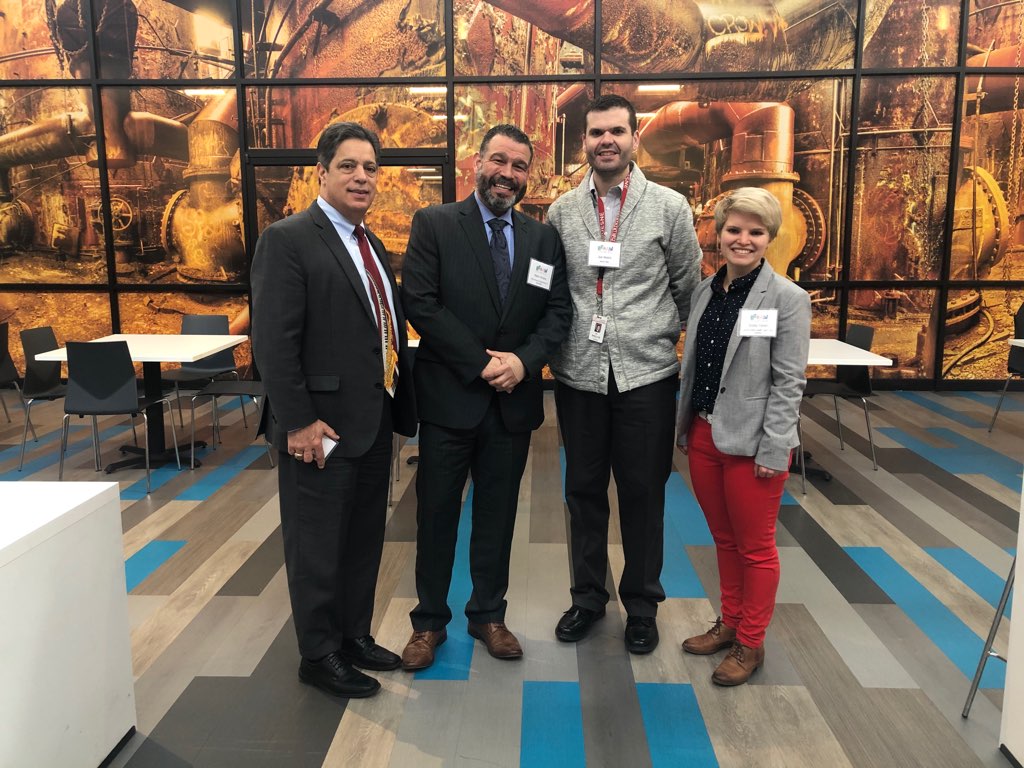
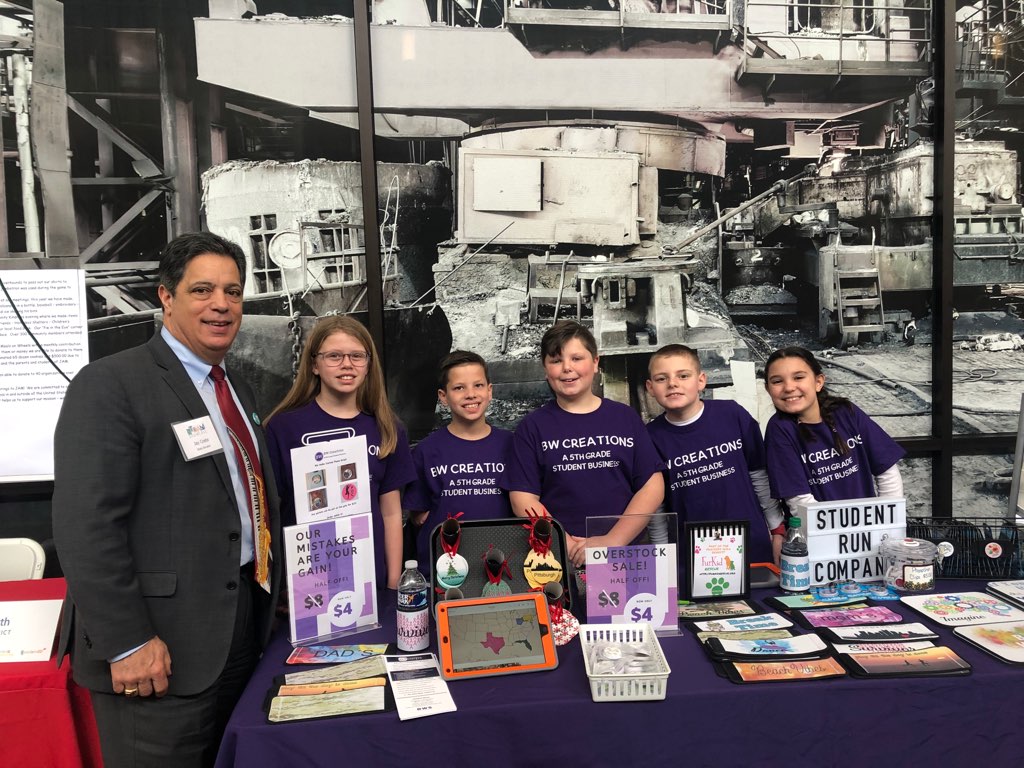 “I was honored to stand with Secretary of Education Pedro Rivera today as we made this announcement at the Allegheny County Intermediate Unit’s annual STEAM showcase,” said Senator Costa. “We had a great visit with this program, which is preparing local students for the jobs of tomorrow. I look forward to what our local districts will accomplish in the coming years with the grants awarded today.”
Over the next 10 years, 71 percent of new jobs in Pennsylvania will require employees to use computers and new technologies.
The grants are awarded through the PAsmart grant program, which will provide $20 million to bring high-quality computer science and STEM (Science, Technology, Engineering and Math) education in elementary, middle, and high schools, and professional development for teachers.
 The districts in the 43rd senatorial district that were awarded $35,000 each are:
- Pittsburgh School District
- Woodland Hills School District
- Penn Hills School District
- Penn Hills Charter School of Entrepreneurship
- West Mifflin School District
The state budget included $30 million for PAsmart last year and $40 million this year. PDE will award $20 million between the Targeted and Advancing grants. The Department of Labor and Industry will soon announce $10 million for apprenticeship and job training grants. Funding for career and technical education also increased by $10 million.
###
Harrisburg, Pa − December 6, 2019 −Senator Pat Stefano (R-Fayette) and Senate Democratic Leader Jay Costa, Jr. (D-Allegheny) announced plans to introduce legislation that would reform the process of license suspension for driving violations.
The legislation would provide alternative mechanisms for individuals to retain their driver’s license in cases where they are financially unable to pay fines and fees imposed for routine traffic violations. The alternative arrangements will include community service.
“Many drivers, especially young and low-income drivers, are overwhelmingly burdened by this provision,” they wrote jointly in a co-sponsorship memorandum to Senate colleagues. “It creates major barriers to pursuing employment and educational opportunities, as well as burdens their ability to access healthcare and other necessary services, essentially creating a debtor’s prison.”
According to The Buhl Foundation’s analysis Driver’s License Suspensions and the Impact on Young People in Pennsylvania, among young drivers ages 16-24 years old, failure to pay fines and fees and failure to appear are the most common reason for license suspensions. In the period between 2014 and 2017, 172,006 young people in Pennsylvania received driver’s license suspensions. Of these, 124,650 suspensions given were of an indefinite length. Under Section 1533 of Title 75, license suspension for failure to pay a fine is indefinite; until fines associated with the underlying citation are paid, a person has no recourse for reinstating their driving privileges.
As highlighted in the Buhl report, license suspension exacerbates “the vicious cycle of needing a license to get to a job but needing a job to pay the costs associated with getting a license or paying the fines resulting from driving without a license.”
Senators Costa and Stefano are seeking cosponsors for the legislation before its formal introduction.
###
Harrisburg, PA − November 12, 2019 − Today, Senator Jay Costa, Jr. announced that $2 million in grants for transportation projects will be awarded to the 43rd senatorial district.
“We have aging infrastructure in our region and across the Commonwealth; it’s important that we at the state level recognize the challenges local government faces in funding these projects,” said Senator Costa. “We review many applications for transportation grants, and I’m excited by what I believe will come of the awards we are making today. I was proud to advocate on their behalf, and anxious to see them unfold.”
Projects awarded today include:
- $1 million to the Oakmont Community Foundation for the Allegheny Avenue Realignment
- $200,000 to Bridgeway Capitol for the Susquehanna Street Corridor in the Homewood neighborhood of the City of Pittsburgh
- $500,000 to the Mosites Company for the Emerson Walk in the East Side as part of the Hunt Armory project
- $125,000 to Swissvale Borough for streetscape improvements
- And $300,000 to Carnegie Mellon University for streetscape improvements along Forbes Corridor
“The applicants must show specific plans for using grants to help improve transportation flow,” said Representative Frank Dermody, who represents the Oakmont area. “In Oakmont, for example, one block of a busy street will be realigned with new sidewalks, lights and landscaping to improve safety both for pedestrians and for motorists.”
The funds are awarded come from the state’s Multimodal Transportation Fund, created to provide grants to encourage economic development and ensure that a safe and reliable system of transportation is available to the residents of the commonwealth.
###
Legislation will give state the tools to prevent and address hate crimes across commonwealth
HARRISBURG, October 30, 2019 – As Pennsylvanians paused to mark one year since the terror attack in Squirrel Hill, legislators in the Pennsylvania House and Senate have moved to introduce a comprehensive legislative package to address hate crimes.
The legislation, sponsored by state Reps. Dan Frankel and Ed Gainey, both D-Allegheny, state Sen. Jay Costa, D-Allegheny, and state Sen. Larry Farnese, D-Phila., will bring Pennsylvania’s hate crime laws into the modern era, extend protections to threatened communities, and give law enforcement the tools it needs to prevent and address hate crimes across the commonwealth.
“An attack on an individual or group because of who they are or who they love victimizes both the immediate target of the crime and their larger community. It’s an attack on these groups’ sense of security and their connection to the world around them,” Frankel said. “The penalties that these perpetrators suffer should reflect both crimes – those against individual victims and the broader targeted community.”
“We can’t legislate hate; there are no laws we can write that will change what is in someone’s heart, but that doesn’t mean we can do nothing in the face of hate crimes,” Costa said. “The attack on the synagogue in Squirrel Hill, and other hate crimes around this state, have shown that there are gaps in our laws. We can do better.”
“Hate based intimidation is completely unacceptable, and our laws in Pennsylvania need to be strong and clear that hate will not be tolerated in any form or any place,” Farnese said. “People should not fear for their lives in their places of worship, because of their ethnicity, nationality, who they are and who they love, or how they chose to express their true selves. Hate cannot be excused or explained away.”
“Across our nation and in our own communities there has been an increase in the number of hate crimes,” Gainey said. “These crimes don’t just victimize one individual, but sow fear and mistrust across entire communities. We need to be able to address these actions, and to protect threatened individuals and groups. What we have done is put together a package of bills that will enable our state to react to these crimes and protect its citizens and I hope that the legislature will move quickly to adopt them.”
Costa, Farnese, Gainey, Frankel and other lawmakers were joined by several religious and community organizations at a news conference to mark the formal introduction of their legislation.
Specifically, their package of bills would:
- Increase penalties for those convicted of a hate crime.
- Provide law enforcement with training to identify and react to hate crimes.
- Educate those convicted of a hate crime to help toward rehabilitation.
- Extend protections to individuals from the LGBTQ and disabled communities.
- Provide school and college students with a way to anonymously report hate crimes.
The attacks in Squirrel Hill and other communities have come amid a five-year upward trend in reported hate crimes, according to the FBI, although they remain vastly underreported. Meanwhile, as federal hate crime prosecutions have declined, it has fallen upon state legislators to pick up the mantle and pass policies and laws to protect citizens.
“I refuse to accept the idea that we are helpless in the face of an evil doer like the one who struck on October 27, 2018,” Frankel said. “As lawmakers, this is our work at its most basic: we protect the people of Pennsylvania.”
###
Harrisburg, Pa. − October 25, 2019 − Senate Democratic Leader Jay Costa, Jr. today circulated a memo to his colleagues in the Senate seeking cosponsors on legislation that would reform Pennsylvania’s campaign finance laws and ensure better transparency and accountability moving forward.
The legislation will be similar to bills he has introduced in every session since 2010, but with several additions. Previous iterations of the bill (introduced as SB 11) included:
- Limiting the expenditures of a candidate, political committee, political action committee, political party committee or other person, for the purpose of influencing the outcome of an election
- Requiring disclosure of the now-unlimited campaign contributions. While corporate political contributions to candidates remain illegal, these expenditures can now be made to influence the outcome of election, per Citizen’s United. The legislation will require that these expenditures be disclosed and made public to educate the public on the financial backers of candidates
- Prohibition on the use of campaign funds for personal use
- Ban campaign funds to be used in the purchase of gift cards
New additions to Senator Costa’s campaign finance plan include:
- A requirement for full disclosure of itemized credit card expenses
- Mandating that campaign committees provide access to expense receipts with an appeal available to the Department of State for assistance in determining whether the record should be accessible
Senator Costa also introduced legislation barring foreign contributions to campaigns as SB 1068 last session. This will be reintroduced with the components of SB 11.
A summary of the legislation can be found here and will be formally introduced again this session as Senate Bill 11.
###
