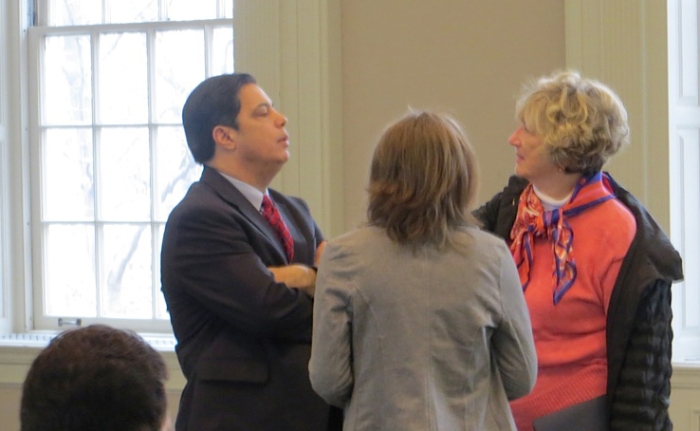
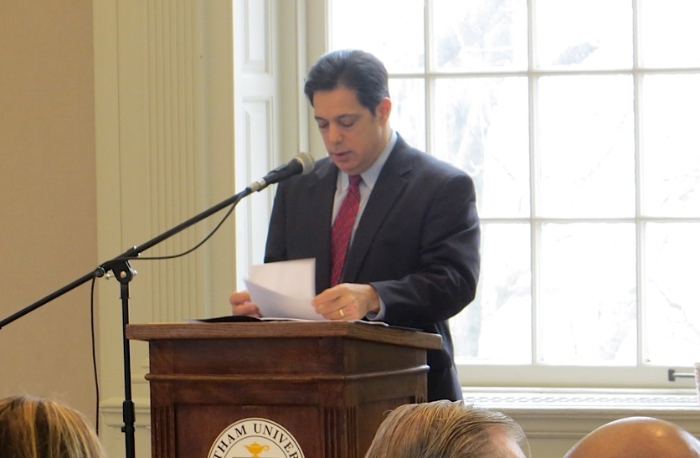
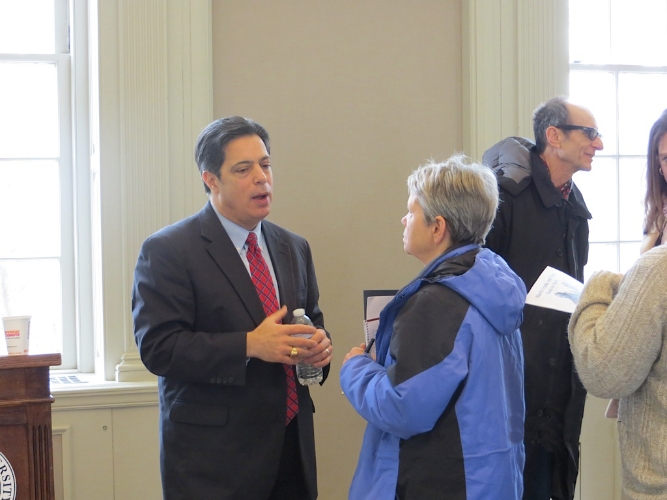
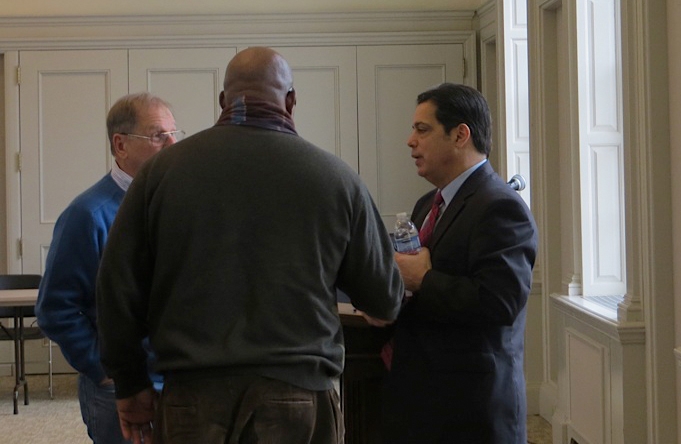
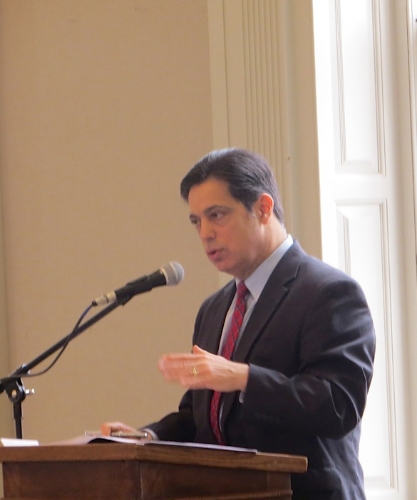
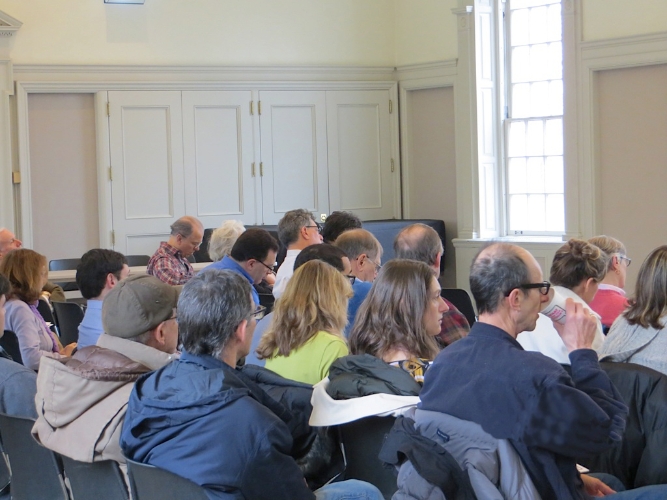
February 25, 2013 – Senate Democratic Leader Jay Costa (D-Allegheny) held a town hall meeting at Chatham University in the Laughlin Music Hall, Welker Room on Saturday, February 23rd from 10 a.m. to 11:30 a.m.
[divider top=”0″]
###
February is the American Heart Association’s Heart Health Month. All month long families across Pennsylvania who have been affected by heart disease have been recognized. Heart disease knows no bounds and it impacts countless families in our towns and communities each and every day.
I applaud the great work of the American Heart Association, our local organizations and all Pennsylvanians that are doing their part to raise awareness of this devastating disease. While our focus is on heart health this month, we should all commit to working together to raise awareness and promote prevention of what is in many cases a silent killer.
Where heart health is concerned, knowledge is power. Knowing and understanding your risk and working to live a heart-healthy lifestyle are keys to helping prevent a life-altering event.
This year also brings with it the 10th anniversary of the American Heart Association’s “Go Red for Women” campaign, aimed at promoting heart disease awareness and prevention for women.
Widely understood as a problem affecting men, few people may realize that heart disease kills more women – at a rate of one death per minute – more than all kinds of cancer combined.
The dedicated professionals working to save lives and improve patient outcomes have rewritten the future for so many people living with heart disease. There is still so much more work to be done. As we move forward in the fight against heart disease, I encourage everyone to remain committed to doing your part for a healthier future.
FOREST HILLS – February 22, 2013 – Senate Democratic Leader Jay Costa (D-Allegheny) said that public input is critical to having a fair and informed budget process in Harrisburg and that Town Hall Meetings are invaluable in gaining insight from citizens of the Pittsburgh area.
Costa’s next town hall meeting will be held at Chatham University in the Laughlin Music Hall, Welker Room on Saturday, Feb. 23 from 10 a.m. to 11:30 a.m. All citizens are welcome and encouraged to attend.
“There are some very serious budget decisions facing lawmakers this year,” Costa said. “It’s important that citizens have their voices heard, whether it’s about growing jobs, education, transportation, privatization or any other state matter. Taxpayers need to have a place at the budget table.”
“My colleagues and I believe there are a number of things to discuss in the governor’s budget proposal,” said Costa.
Costa will hold a series of meetings with residents of the 43rd District to learn their priorities and concerns when it comes to the budget and other state issues.
The senator plans to utilize the feedback he gathers from the discussions in the town hall meetings when he participates in upcoming state budget negotiations in Harrisburg.
For more information about Sen. Costa’s town hall meetings, visit: https://senatorcosta.com/senator-costa-announces-next-town-hall-meeting.
My sincere thanks to the Pa Budget and Policy Center for inviting me to be part of a panel discussion on the state budget during their annual Pa. Budget Summit in Harrisburg.
[frame align=”right”]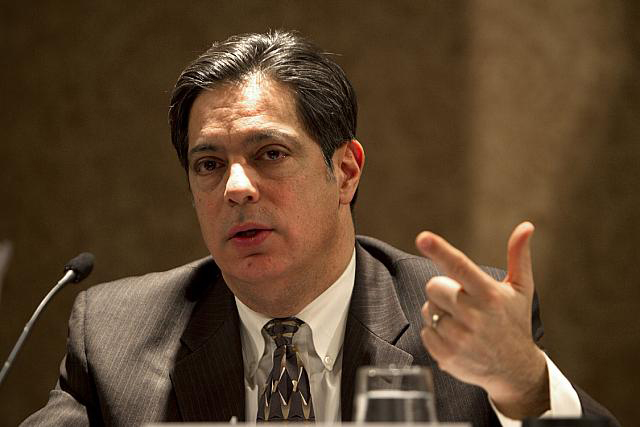 [/frame]I very much appreciated the opportunity to discuss the need to address important issues including transportation, education and liquor and lottery privatization and how they will affect the future of the commonwealth.
The questions asked by audience members were thoughtful and spoke directly to the heart of the issues we’re facing. The event is a reminder of how critical these public discussions are to the budget process with our shared goal of moving Pennsylvania forward.
Harrisburg, February 14, 2013 – State Senate Democrats applauded Pennsylvania Attorney General Kathleen Kane’s decision to reject the Corbett Administration’s plan to privatize the management of the Pennsylvania Lottery to a U.K.-based company Camelot Global Services.
“The Attorney General made a proper decision,” Sen. Jay Costa (D-Allegheny) said. “Pennsylvania seniors and all Pennsylvania residents can rest easy now that the Attorney General took this action and put a stop to the expansion of gaming without proper authorization.”
“The entire plan was flawed.” Costa, the Democratic Leader said. “It is clear that there are ways for current employees of the Lottery to be given the latitude to implement changes that will produce better results and even more money being generated.”
At a news conference today in Harrisburg, Kane said that she could not approve the deal negotiated between the Corbett Administration and Camelot. The Attorney General cited several reasons for her denial including that the arrangement infringed on the legislative powers of the General Assembly, that the plan was an illegal expansion of gaming without proper authorization and that the plan involved a waiver of sovereign immunity.
State Sen. Vincent Hughes (D-Philadelphia/Montgomery) who serves as Democratic Chair of the Senate Appropriations Committee said that Kane took the correct course in refusing to approve the Private Management Agreement (PMA.)
“We do not need a foreign-based company managing the operations of the Lottery when we have Pennsylvania residents with the ability to produce more dollars to bolster senior programs.” Senate Democratic Appropriations Chair Sen. Vincent Hughes said.
“The AFSCME study indicated that there were many pathways available for Pennsylvania officials to take to generate new dollars without privatizing the Lottery,” Hughes said. “There are tools available for the legislature to give to the Lottery that will produce a better deal. Plus, we can be transparent with our action and deliberation.”
The recommendations made by AFSCME were contained in a counterproposal that the union generated following the governor’s decision to privatize the Lottery. AFSCME indicated in its presentation that it could generate $1.5 billion more in lottery profit.
“We can do a better job and do it in an open process involving the current Lottery personnel,” Sen. Anthony Williams (D-Philadelphia/Delaware), the Senate Democratic Whip said. “The Attorney General was clear that the General Assembly needs to be involved and that arbitrary action cannot be taken by the administration.
“There is no reason why we cannot open the process and allow the Lottery to suggest ways it can generate even more profits.”
State Sen. John Blake (D-Lackawanna/Luzerne/Monroe), the Democratic Chair of the Senate Finance Committee, said that there were so many questions about the privatization scheme that went unanswered and that the whole process needs to be restarted at the beginning and include the General Assembly.
“From the time the PMA was announced there has been great unease about the process and the procedures that were included in the deal,” Blake said. “I am pleased that Attorney General Kane put a roadblock up today and announced her decision to deny the PMA.
“Now members of the General Assembly can look at ways on building on the strengths of the successful Lottery that we now operate to generate more funds for seniors, using employees of the Lottery who are Pennsylvania residents.”
Costa said that he especially appreciated the fact that Attorney General Kane removed politics from the decision, focused on the legal issues involved in the contract and made the right call on behalf of Pennsylvania’s seniors.
Hughes said that there is no question that lawmakers will be able to generate the $50 million that was part of the agreement and that was included in the governor’s budget presentation.
-30-
Contact:
Stacey Witalec| Press Secretary
Senator Jay Costa and Senate Democratic Caucus
535 Main Capitol | Harrisburg, Pa 17120
Phone:(717)772-2368 | Cell:(717)877-2997
www.senatorcosta.com