
Senator Costa Participates in Intergovernmental Roundtable on Federal Threats to Health Insurance
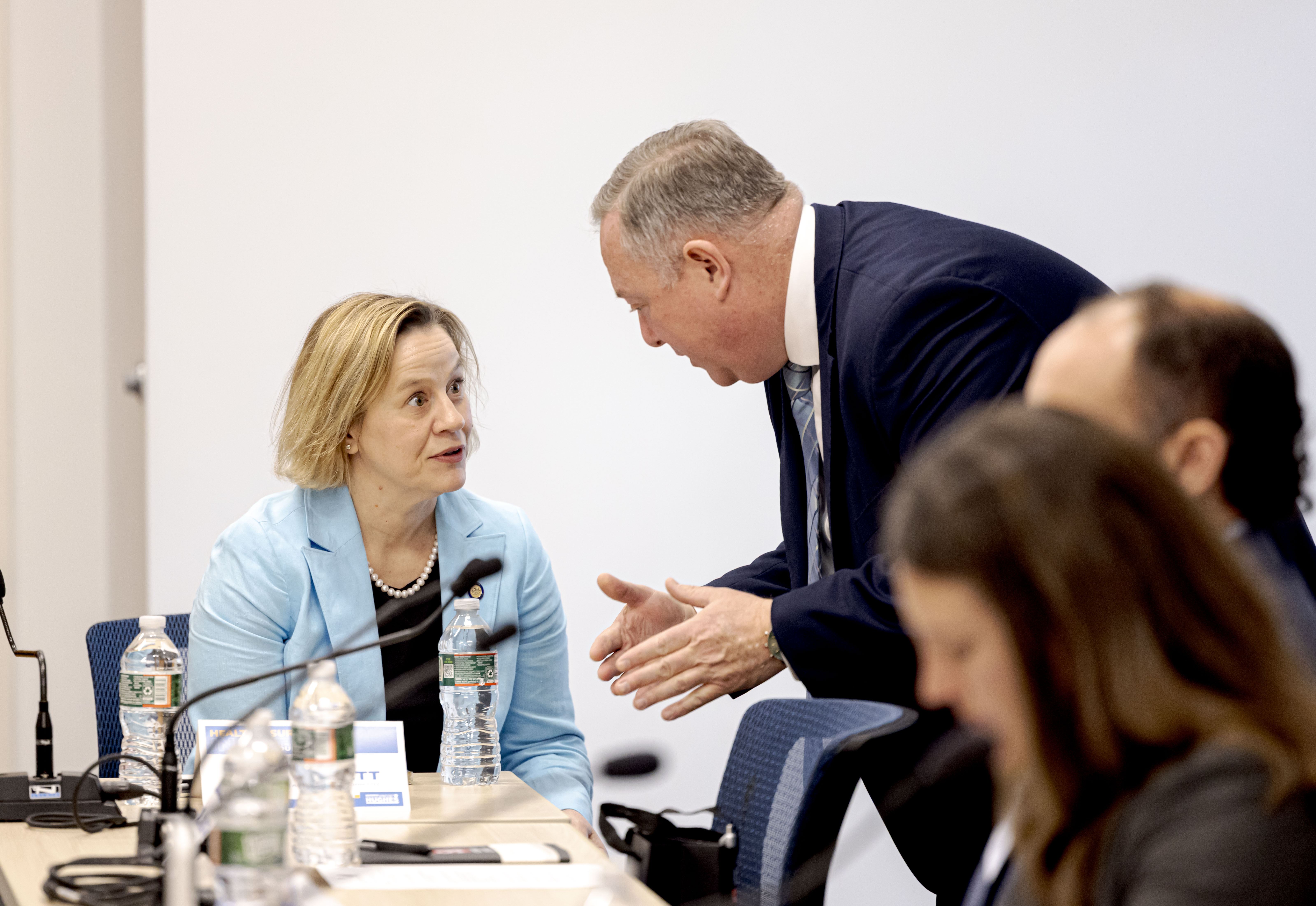
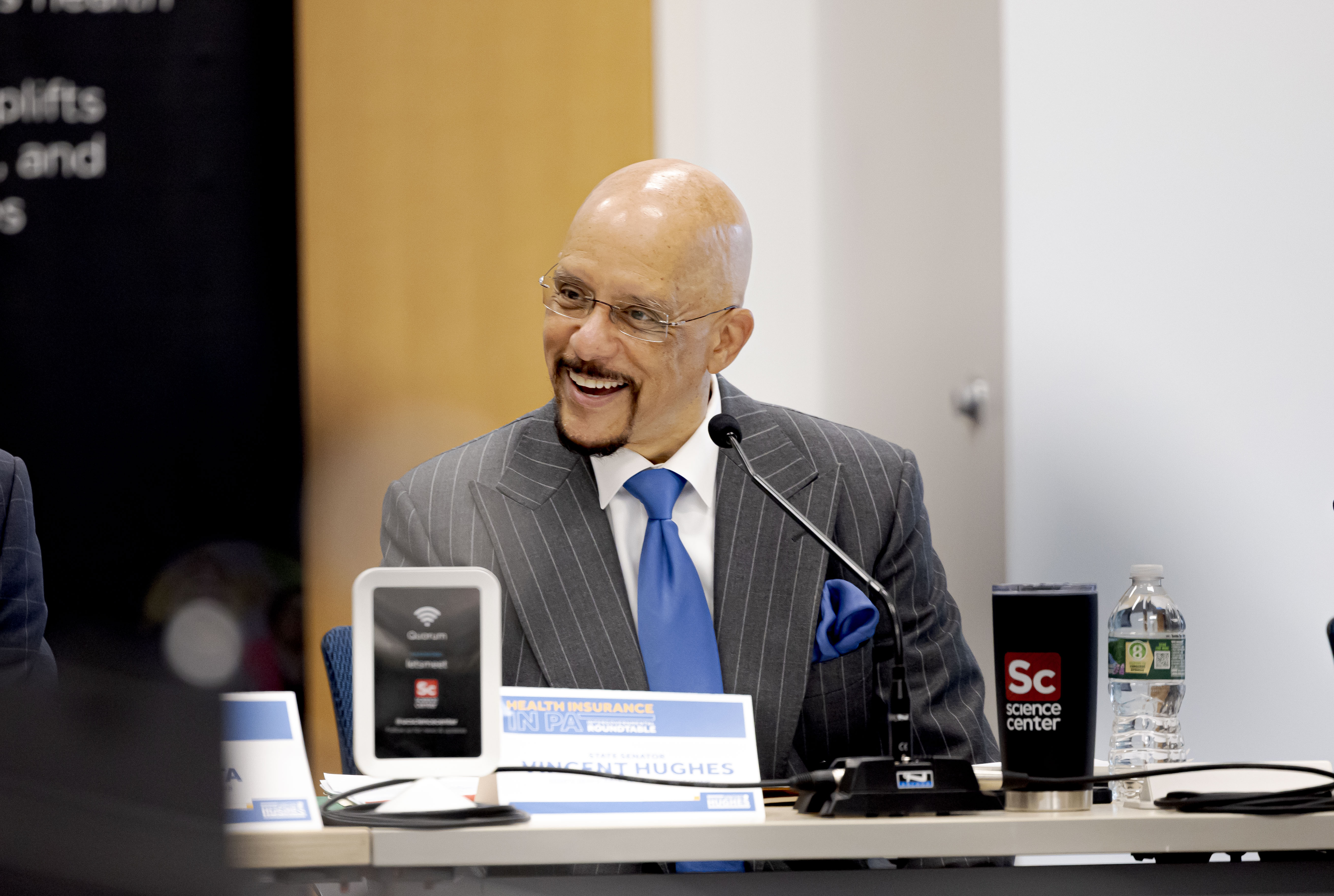
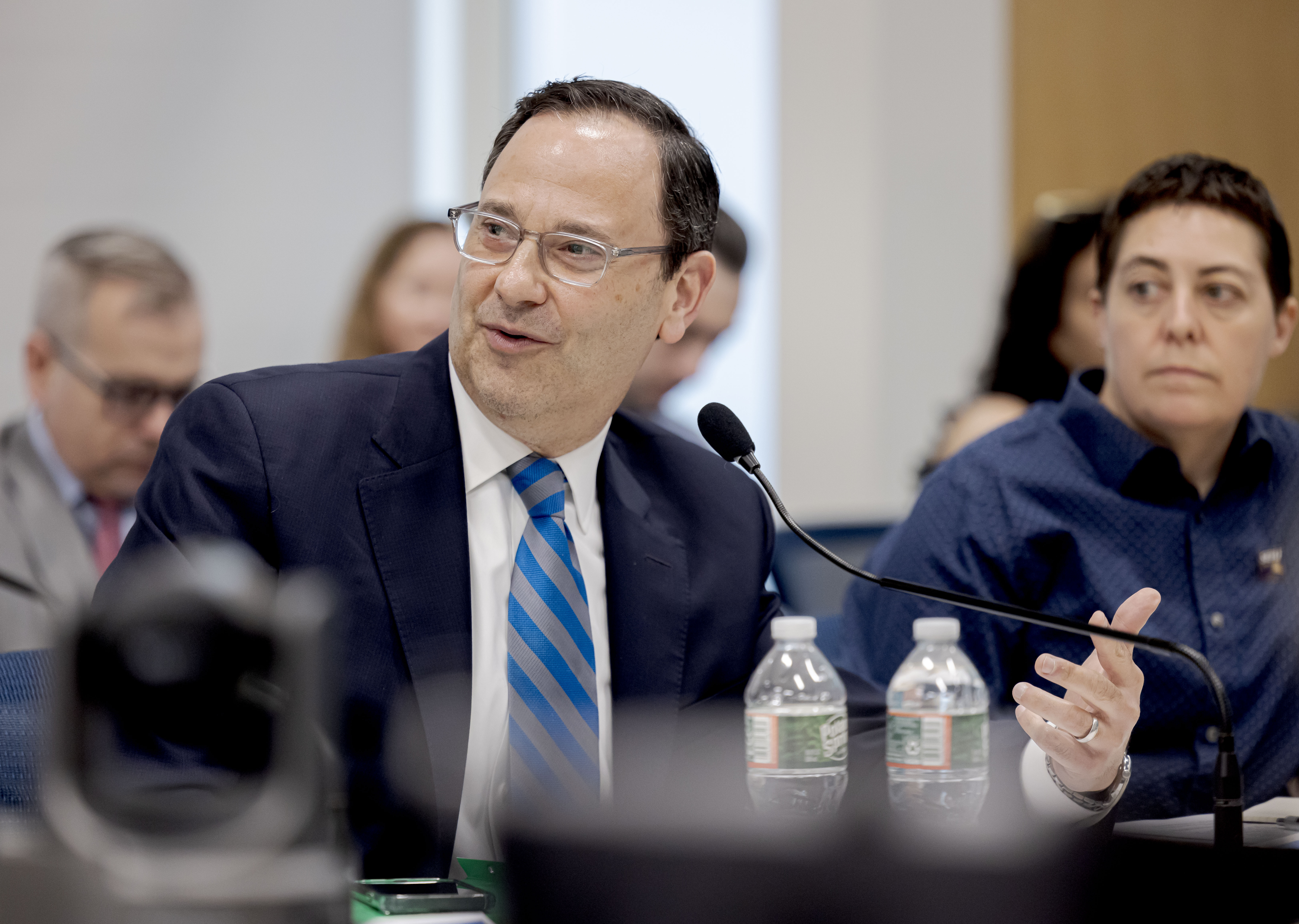
Philadelphia, PA − April 23, 2025 − On Tuesday, April 22nd, Senator Vincent Hughes hosted an intergovernmental roundtable with federal, state, and local lawmakers and healthcare leaders from across Pennsylvania. The goal was to bring a variety of stakeholders together to discuss what federal healthcare cuts could mean for Pennsylvania’s entire healthcare ecosystem and the people who rely on health benefits from Medicaid, CHIP, Pennie, and provisions in the Affordable Care Act that have made healthcare more accessible and affordable.
“It’s important for this group to affirm the magnitude of these potential cuts,” said Senator Hughes. “These cuts threaten access to quality healthcare and coverage, but they also threaten the well-being of our hospital systems, our nursing homes, and our healthcare workers. We need the public to understand that our healthcare system is extremely interconnected. If congressional Republicans move forward with $880 billion in cuts, our entire healthcare and health insurance system will feel it.”
In Pennsylvania, over 3 million residents, or 23% of the Commonwealth’s population rely on Medicaid or CHIP for health insurance. 39% of all Pennsylvania children are enrolled in Medicaid or CHIP. Roundtable participants stressed the huge financial gap Pennsylvania will have to grapple with if federal lawmakers decide to cut health benefits.
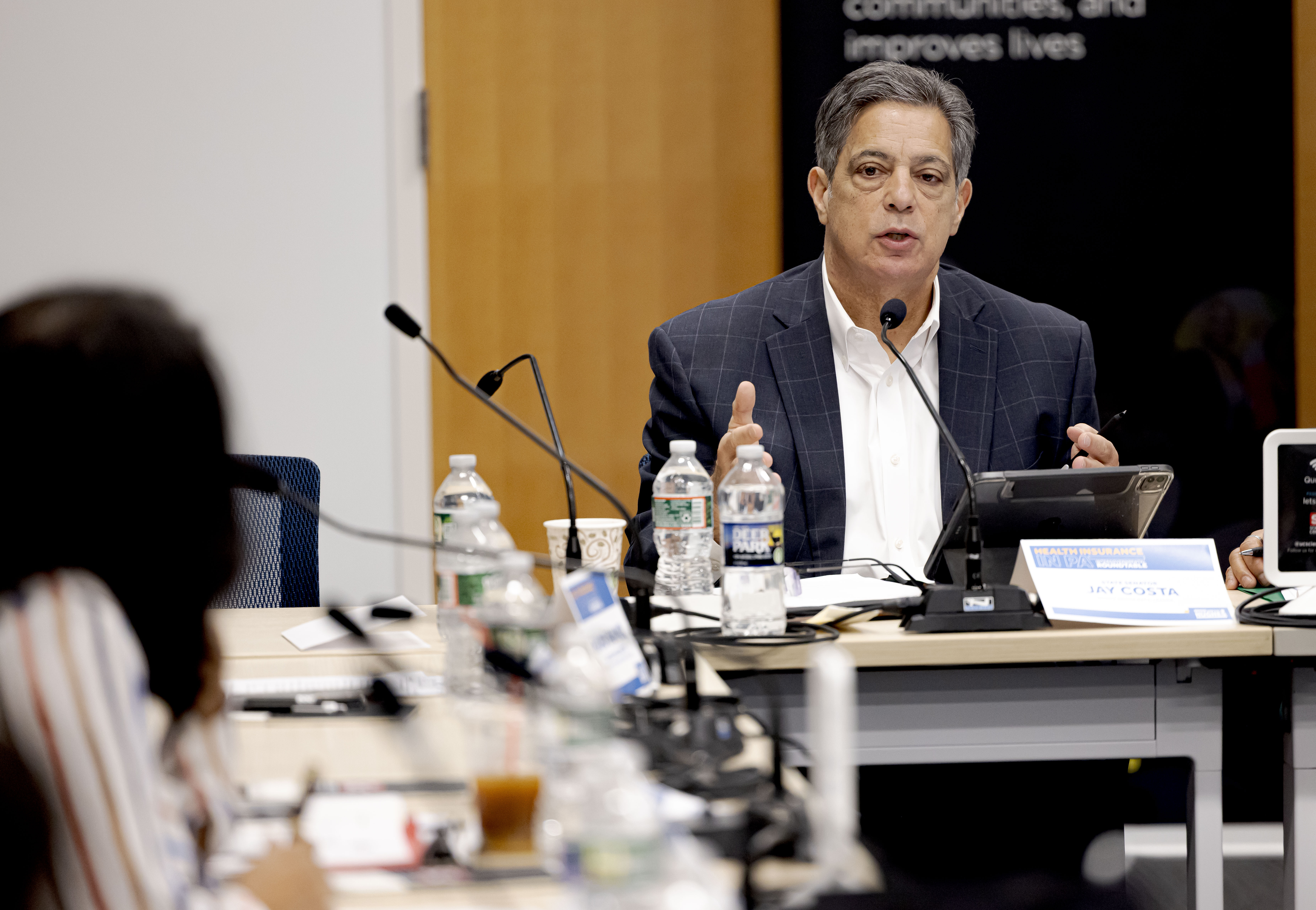
Senator Jay Costa explained, “The argument coming out of Washington is that they’re not going to cut Medicaid, they’re just modifying eligibility. They say that’s not a benefit cut, but at the end of the day those are reductions. It will then be up to the states to make hard decisions about how to respond to the loss of federal dollars and coverage.”
Several roundtable participants noted that federal cuts will also hurt local economies. DHS c said, “For all of us, but for rural communities in particular, hospitals are often the foundation of a community’s economic viability, health, and strength. And when a hospital closes, that’s often the largest employer in the community.”
“Who’s impacted by these cuts? Everyone, everyone will be impacted,” said Dr. Ala Stanford, founder of the Black Doctors Consortium, professor at University of Pennsylvania, and former HHS Regional Director.
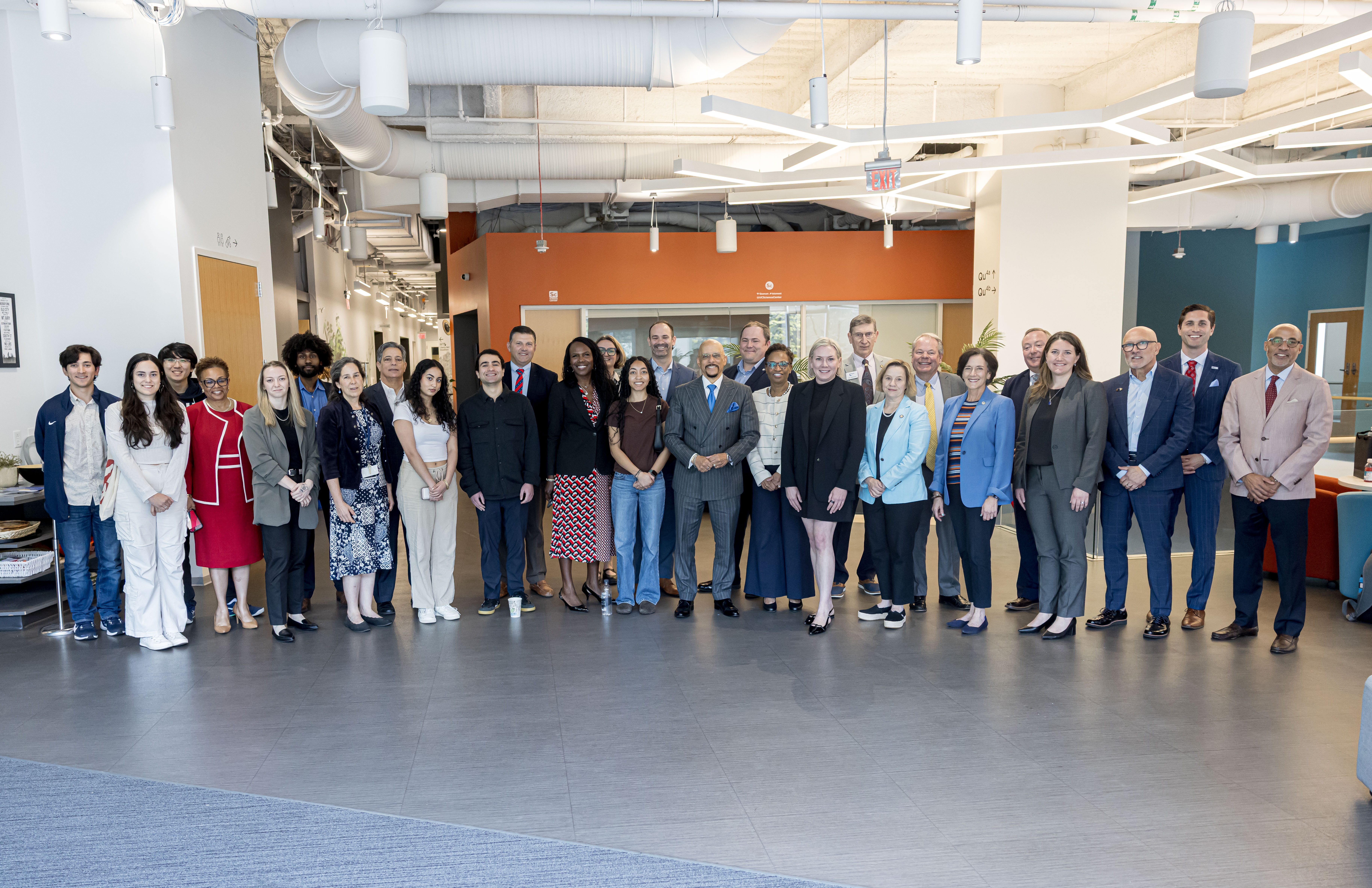
The group of over 25 lawmakers and leaders agreed that now is the time to be reaching out to both Republican and Democrat lawmakers in Washington to make the case for how catastrophic healthcare cuts could be. Laura Guerra, Congressman Evans’ Healthcare Legislative Assistant, noted that language about what specifically will be cut could surface around the end of May.
The intergovernmental roundtable was hosted at the University City Science Center, located in Senator Hughes’ district. A video of the roundtable is available online.
Roundtable participants included:
Federal Lawmakers
- Congressman Dwight Evans
- Joined by Laura Guerra, Healthcare Legislative Assistant
- Congresswoman Mary Gay Scanlon
State Lawmakers
- Senator Jay Costa, Senate Democratic Leader
- Senator Vincent Hughes, Senate Democratic Appropriations Chair
- Senator Maria Collett, Chair of the Senate Aging and Youth Committee
- Senator Sharif Street, Chair of the Banking and Insurance Committee
- Office of House Speaker Joanna McClinton
- Represented by Hans Van Mol, District Office Director, Office of House Speaker Joanna McClinton
State Appointed Leaders
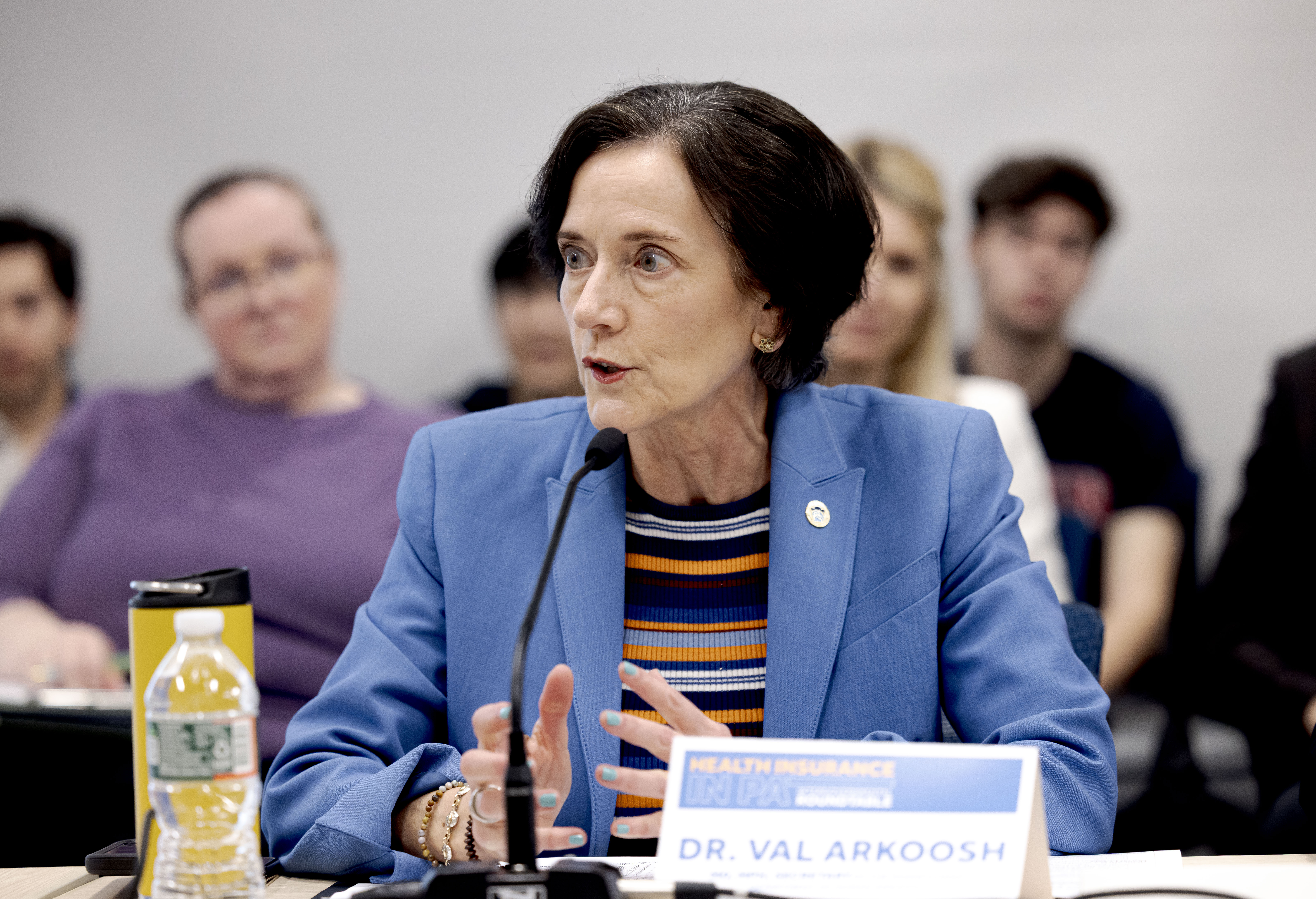
- Dr. Val Arkoosh, MD, MPH, Secretary of the Pennsylvania Department of Human Services
- Michael Humphreys, Commissioner of the Pennsylvania Insurance Department
- Jason Kavulich, Secretary of the Pennsylvania Department of Aging
- Devon Trolley, Executive Director of Pennie
City Lawmakers and Leaders
- Councilmember Nina Ahmad, Chair of the Public Health and Human Services Committee
- Office of Councilmember Jaime Gauthier, District 3 and Chair of Housing, Neighborhood Development, and the Homeless
- Represented by Mariya Khandros, Chief of Staff
Healthcare Leaders and Advocates
- Roy Afflerbach, Government Affairs, Pennsylvania Association of Area Agencies on Aging (P4A)
- Donna Bailey, CEO of Community Behavioral Health
- Dr. Cheryl Bettigole, Professor, Clinical Family Medicine & Community Health, Perelman School of Medicine
- Peter Grollman, Senior Vice President, External Affairs, Children’s Hospital of Pennsylvania
- Krista Hoglund, President, Jefferson Health Plans
- Emily Katz, Executive Director, PA Medicaid Managed Care Organizations
- Ali Kronley, Vice President and Director of United Homecare Workers of Pennsylvania, SEIU
- Katherine Levins, Vice President of Public Policy & Government Affairs, Temple Health
- Garry Pezzano, President and CEO, LeadingAge PA
- Bill Ryan, Senior Lobbyist, Saxton and Stump
- Zach Shamberg, President and CEO, PA Health Care Association
- Dr. Ala Stanford, Founder of the Black Doctors Consortium, Professor at University of Pennsylvania, Former HHS Regional Director
- David Wilson, Vice President of Government and Community Relations, Drexel Health
- Tiffany Wilson, CEO of University City Science Center
Costa proposes regional, multi-county transit authority for the Pittsburgh area
A regional, multi-county transit authority, ala SEPTA in the Philadelphia area, could be a possibility for southwestern Pennsylvania if an area state senator can persuade his colleagues in the General Assembly.
“Over 236 million trips are taken on public transit every year in the commonwealth, connecting Pennsylvanians to jobs, healthcare and communities,” state Senate Minority Leader Jay Costa Jr., D-Pittsburgh, said in a co-sponsorship memo. “More than half of riders have no other transportation options.”
Costa says southwestern Pa. transit agencies should band together
Public transit advocates last month warned that proposed cuts to Pittsburgh Regional Transit routes would create “an absolute crisis.” But a Pittsburgh state senator says there’s opportunity for southwestern Pennsylvania counties to address transit needs by thinking bigger.
State Sen. Jay Costa pushes multicounty transit for Southwest Pa.
Pennsylvania already has SEPTA, a multicounty transit agency for the counties around Philadelphia, but what about SWEPTA, a multicounty agency around Pittsburgh?
State Sen. Jay Costa, D-Forest Hills and Senate minority leader, wants to take a look. Costa is seeking co-sponsors for a bill he intends to introduce perhaps as early as this week to propose the Southwestern Pennsylvania Transportation Authority.
Pittsburghers fight looming transit cuts
Pittsburgh could lose 35% of its public transit service — including dozens of bus routes — if the state doesn’t come through with hundreds of millions in funding.
Why it matters: Pittsburgh isn’t a public transit powerhouse, but the system punched above its weight — connecting low-income riders, Downtown commuters and students.
Senate Democratic Leader Jay Costa Responds to Emerging Details in Arson Attack on Governor Shapiro’s Family during Passover
HARRISBURG, PA – April 16, 2025 – Earlier today, the Pennsylvania State Police filed an affidavit indicating that Cody Balmer, who stands accused of assault and arson related to the Sunday morning fire at the Governor’s residence, placed a 911 call during which he stated that he “…will not take part in his plans for whatever he wants to do to the Palestinian people.”
The alleged acts of assault and arson took place on the first night of Passover, a Jewish holiday, which Governor Shapiro was observing with his immediate and extended family. So far, no hate crime charges have been filed. The decision to do so belongs to District Attorney Francis T. Chardo.
In response, Senate Democratic Leader Jay Costa, whose district includes the site of the 2018 Tree of Life massacre which took the lives of eleven Jewish worshippers, releases the following statement:
“I am appalled and disgusted to learn of emerging evidence that Governor Shapiro’s support of Israel and his Jewish faith may have contributed to the suspect’s motivation to attack him and his family. Every single Pennsylvanian, of every faith and creed, must be free to gather, pray, worship, and celebrate without fear.
“Our Jewish friends and neighbors are facing unprecedented threats and attacks from antisemitic actors, and I am calling on everyone to do their part to rebuke antisemitism in all its forms, from online hatred to interpersonal violence and everything in between.
“Additionally, let me be as clear as I can: Political violence is wholly unacceptable, full stop. No matter your political opinions, our elected leaders of every party, their staff, and their constituents deserve to move safely and freely through our commonwealth.
“As the Pennsylvania State Police continue to investigate this crime, I want to offer my gratitude and support as they bring the full weight of the justice system to bear on this situation. I will not be deterred from raising my voice and organizing the legislature to deliver safety and protections for our Jewish families.”
From Philly to Pittsburgh, mass transit leaders sound the alarm on funding shortfalls
The commonwealth’s looming public transit crisis was front and center in Philadelphia and Pittsburgh during fraught hearings on how local and state legislators can bridge funding gaps.
On Tuesday, the state Senate Democratic Policy Committee held a hearing in the Steel City on the future of mass transit. A day later, Philadelphia City Council held a highly anticipated budget hearing with representatives from the Southeastern Pennsylvania Transportation Authority.
With public transit systems across the state facing potential service cuts and price hikes, this budget cycle has become a make-or-break moment for system leadership, lawmakers holding the pursestrings and the Pennsylvanians reliant on those systems.